Deck Railings, Stairs & Safety Upgrades
Enhance your deck's safety and visual appeal with professional railing and stair installations that meet code and exceed expectations.
Safety and Style Through Quality Railings
Railings serve two critical purposes on your deck. First and most importantly, they protect people from falls. Any deck more than 30 inches above grade requires railings by code, and for good reason. A fall from an elevated deck can cause serious injury. Second, railings define your deck's style and make a strong visual statement. Well-designed railings enhance your deck's appearance and complement your home's architecture.
Many homeowners focus so much on the deck surface and structure that they treat railings as an afterthought. This is a mistake. Your railings are the most visible part of your deck from many angles. They frame views, create boundaries between spaces, and significantly impact your deck's overall aesthetic. Investing in quality railings transforms a basic deck into a beautiful outdoor living space.
Here in Queen Creek, we have been installing deck railings and stairs since 2024. We understand local building codes, we know which materials perform best in Arizona's climate, and we have the expertise to install railing systems that meet code requirements while looking fantastic. Whether you are building a new deck or upgrading an existing one, we help you choose railings that balance safety, durability, and design.
Railing Material Options
At PlankNRail Queen Creek Decks, we install all types of railing systems. Each material offers different advantages for appearance, maintenance, durability, and cost.
Wood Railings
Traditional wood railings offer timeless appeal and pair naturally with wood decks. You can build them from the same wood as your deck for a cohesive look, or choose contrasting species for visual interest. Wood railings allow almost unlimited design flexibility since we can cut and shape components on site. The main consideration is maintenance. Wood railings need the same regular refinishing as the deck surface to prevent weathering and deterioration.
Composite Railings
Composite railing systems combine low maintenance with clean, contemporary appearance. Most systems feature composite or PVC posts and top rails with composite, metal, or glass infill panels. These railings never need painting or staining, and they resist fading, rotting, and insect damage. Composite railings cost more than basic wood but less than premium materials like aluminum or glass. They work well with both wood and composite decks.
Aluminum Railings
Aluminum railings offer durability and minimal maintenance in sleek, modern profiles. The powder-coated finish resists rust and fading while providing color options to match your design. Aluminum is strong yet lightweight, and the open designs maximize views. These systems work particularly well for contemporary homes or when you want railings that virtually disappear visually. Costs are moderate to high depending on style complexity and finish quality.
Cable Railings
Cable railing systems use tensioned stainless steel cables as infill between posts. This creates an ultra-modern look that preserves views while meeting code requirements. Cable railings work with wood, composite, or metal posts depending on your style preference. The main consideration is cost since quality cable railing systems are premium products. They also require proper tensioning and periodic adjustments to maintain safety.
Glass Railings
Glass panel railings provide unobstructed views while creating wind protection that makes decks more comfortable. Tempered glass panels mount in metal frames or channels attached to posts. Glass railings make the biggest visual impact and create a resort-like atmosphere. They require occasional cleaning to remove water spots and fingerprints. Glass railings are the most expensive option but deliver unmatched visual transparency.
Professional Stair Design and Installation
Stairs are critical connections between your deck and yard or between deck levels. Poorly designed or constructed stairs feel awkward, create safety hazards, and look amateurish. Professional stair installation requires precise calculations and quality construction to create stairs that feel comfortable and safe.
Code Requirements
Building codes specify exact requirements for stair dimensions. Tread depth must fall within a specific range, risers must be consistent height throughout the stairway, and handrails are required for stairs with more than a certain number of steps. These rules exist because consistent dimensions create safe, comfortable stairs. When dimensions vary, people trip. We design and build stairs that meet all code requirements while fitting naturally with your deck design.
Stair Configurations
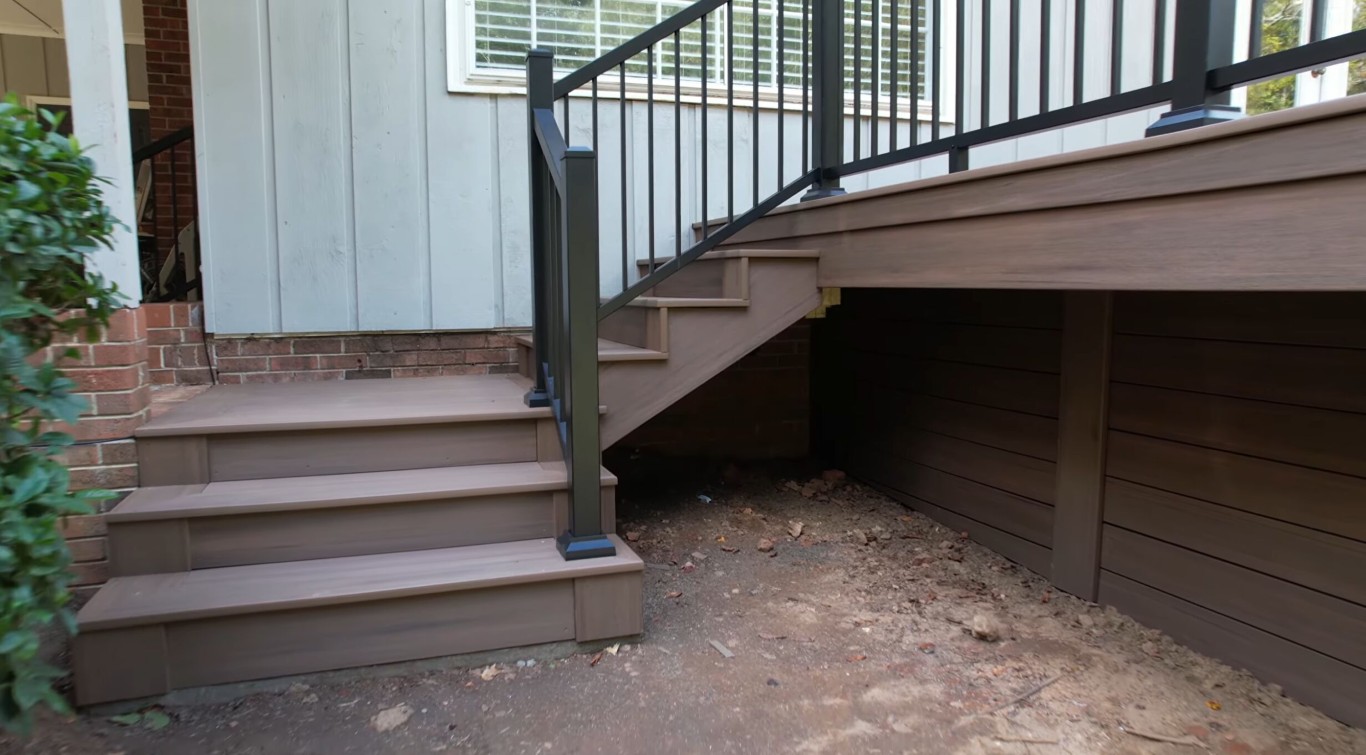
Stairs can be configured in various ways depending on your space and needs. Straight runs are simplest and most common. L-shaped stairs with a landing change direction and work well in tight spaces. Wide stairs with multiple treads per step create a grand entrance. We help you choose a configuration that works with your deck layout, yard space, and aesthetic goals. When planning major deck work, consider how stairs integrate with the overall deck design from the beginning.
Materials and Durability
Stairs take more abuse than the deck surface since people repeatedly step on the same spots. Stair treads need to be especially durable and slip-resistant. We use appropriate materials for your climate and build stairs with proper drainage so water does not pool on treads. Stringers are sized to support the loads without bouncing or deflecting. These details ensure your stairs remain safe and solid for years.
Safety Features for Stairs
- Consistent riser height throughout each stair run for predictable footing
- Adequate tread depth providing full foot placement on each step
- Code-compliant handrails at the proper height and location
- Non-slip tread surfaces that provide traction in wet conditions
- Proper lighting to illuminate stairs during evening hours
- Solid construction that eliminates bounce or movement when used
- Weather-resistant materials that maintain integrity over time
- Landing platforms where stairs change direction or elevation
Essential Safety Upgrades
Older decks often lack safety features that are now required by code or simply good practice. Upgrading these elements protects your family and guests while potentially increasing your home's value and your insurance company's confidence in your property.
Railing Height and Strength
Current codes require 36-inch minimum railing height for most residential decks, and 42 inches for decks more than 6 feet above grade. Many older decks have lower railings that do not meet current standards. While existing railings are grandfathered, any significant renovation requires bringing them to current code. We can upgrade railing height while matching existing style or use the opportunity to install completely new railings that improve both safety and appearance.
Baluster Spacing
The maximum gap between balusters is 4 inches measured as the largest sphere that can pass through. This prevents small children from getting their heads stuck between balusters. Many older decks have wider spacing that is now prohibited. Updating baluster spacing is a straightforward safety upgrade that makes your deck safer for young children.
Lighting
Adequate lighting prevents trips and falls after dark. Safety lighting should illuminate stairs, level changes, and the general deck surface. Modern LED deck lighting is energy-efficient and available in various styles from subtle recessed fixtures to decorative post cap lights. Lighting also enhances ambiance and extends how much you can use your deck after sunset.
Gates and Barriers
If you have young children or pets, adding gates at stair tops provides important protection. Self-closing, self-latching gates prevent unsupervised access to stairs or elevated deck areas. We can install gates that match your railing style and meet safety standards while being convenient for adults to use.
Balancing Safety and Aesthetics
The best railings and stairs meet all safety requirements while enhancing your deck's visual appeal. This balance is not automatic. It requires thoughtful design that considers proportions, materials, and details.
Railing style should complement your home's architecture. Traditional homes often look best with classic wood railings or ornamental metal. Contemporary homes pair well with cable, glass, or minimalist aluminum systems. We help you evaluate options that work aesthetically while meeting your budget and maintenance preferences.
View preservation is important for many homeowners. If your deck offers nice views, you want railings that do not obstruct them. Glass, cable, or horizontal metal railings maximize visibility compared to traditional vertical balusters. We can design railing systems that meet code while preserving your views and sight lines.
Queen Creek Building Codes and Permits
Building codes exist to ensure safety, and railing and stair codes are particularly important because falls can cause serious injury or death. Queen Creek enforces the International Residential Code with some local amendments. We stay current with all code requirements and build railings and stairs that meet or exceed these standards.
Most railing and stair projects require permits, especially if they are part of new deck construction or significant remodeling. We handle the permit process including submitting plans, scheduling inspections, and addressing any questions from the building department. This ensures your project is legal and properly documented, which protects you and future buyers of your home.
Some HOAs have additional requirements for railing styles, colors, or materials. We are experienced working within HOA guidelines and can help you choose options that satisfy both code requirements and community standards. If you are also considering broader improvements, our team can handle everything from railings to complete deck restoration in a coordinated project.
Why Choose PlankNRail for Railings and Stairs
Installing railings and stairs requires precision and attention to detail. Every post must be plumb, every baluster properly spaced, every connection secure. Our installation team has the experience and skills to build railing systems that are both beautiful and absolutely safe.
We work with all major railing manufacturers and can source systems in any style you want. We also build custom wood railings when you want something unique. Our goal is finding the solution that best fits your specific situation rather than pushing whatever product we happen to carry.
Safety is non-negotiable. We test every railing system to ensure it meets load requirements. We triple-check measurements and spacing. We pull permits and schedule inspections so everything is documented properly. When we finish your railings and stairs, you can trust they will keep your family and guests safe for years to come.
Frequently Asked Questions
Upgrade Your Deck Railings and Stairs
Schedule a free consultation to discuss railing options and get a detailed quote for your project.
Call (480) 806-1561