
Composite Deck Installation
Enjoy the beauty of wood without the maintenance hassle with modern composite decking materials that last for decades.
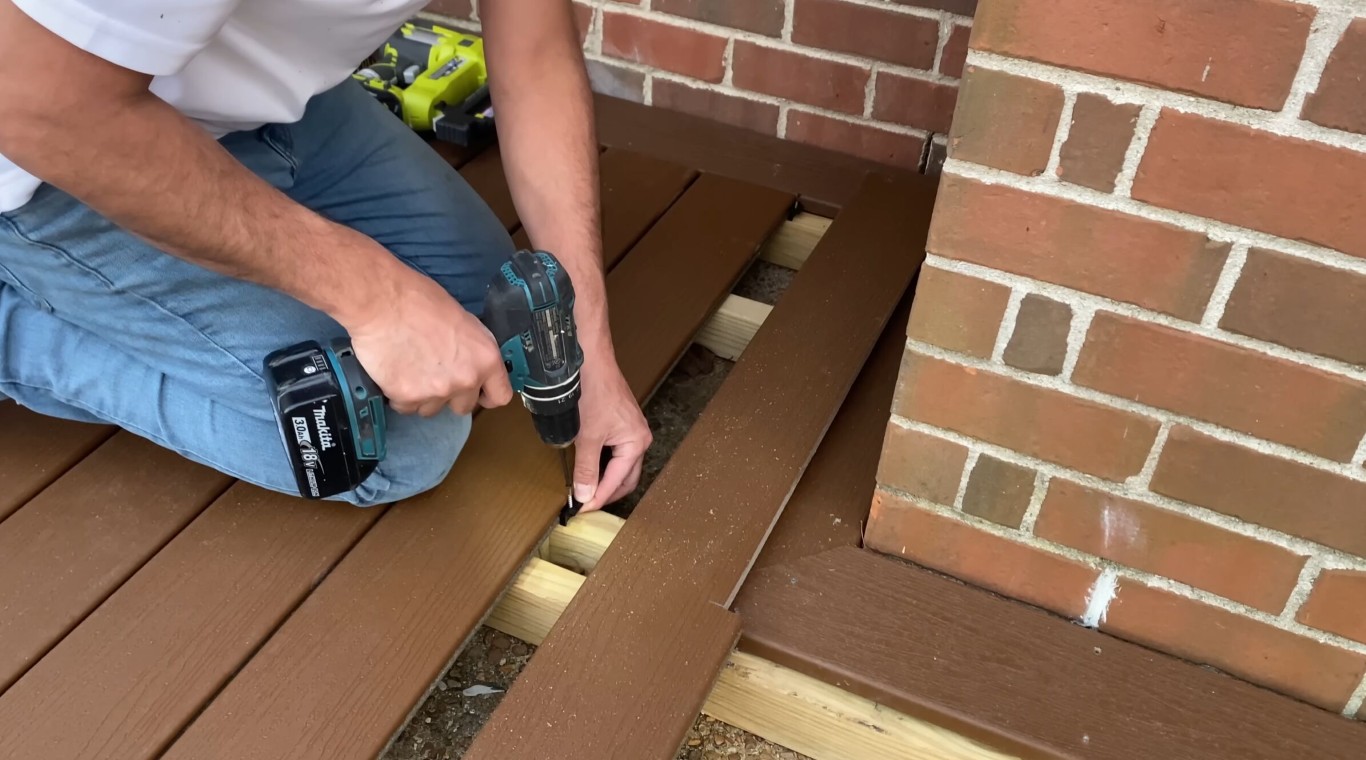
Why Composite Decking Makes Sense
If you love the idea of a beautiful deck but dread the thought of yearly staining and sealing, composite decking might be exactly what you need. These engineered materials combine wood fibers with plastic polymers to create boards that look like natural wood but require minimal upkeep. You get a gorgeous outdoor space without spending your weekends maintaining it.
Composite decking has come a long way since it first appeared on the market. Early versions had limited color options and sometimes looked obviously artificial. Today's premium composite products feature realistic wood grain textures and rich color variations that closely mimic natural hardwoods. Unless someone looks very closely, they will not realize your deck is not real wood.
Here in Queen Creek, composite decking handles our intense Arizona sun better than traditional wood. While wood decks fade, splinter, and crack under constant UV exposure, quality composite materials resist these issues. They also stay cooler underfoot than some decking options, which matters when summer temperatures soar. We have been installing composite decks since 2024, and we have seen firsthand how well they perform in our climate.
The Real Benefits of Going Composite
When you work with PlankNRail Queen Creek Decks, we help you understand exactly what composite decking offers and whether it fits your needs and budget.
Minimal Maintenance Requirements
The biggest advantage of composite decking is how little maintenance it needs. You will never stain or seal it. Most of the time, cleaning involves nothing more than sweeping off debris and occasionally washing it with soap and water. Spills wipe up easily, and the surface resists staining from food, drinks, and even mildew. Over 20 or 30 years, you will save hundreds of hours and thousands of dollars compared to maintaining a wood deck.
Long-Term Durability
Composite materials resist the problems that plague wood decks. They will not rot, warp, or split like natural wood can. Insects including termites have no interest in composite boards because there is no actual wood for them to eat. The color goes all the way through the board on many products, so scratches and scuffs are barely noticeable. Most manufacturers back their products with warranties ranging from 25 to 50 years, showing confidence in the material's longevity.
Design Flexibility
Composite decking comes in more colors and finishes than you might expect. You can choose from warm browns, rich grays, deep reds, and even tropical hardwood tones. Some brands offer multi-tonal boards that blend several shades for a more natural appearance. Many products also come in different widths and can be installed in various patterns like diagonal, herringbone, or picture frame designs to create visual interest.
Understanding Different Composite Options
Not all composite decking is created equal. The market offers several types, each with different characteristics and price points. We work with all major brands, including Trex, and can help you find the right product for your situation — much like what a specialist in trex deck installation would do in their own market.
Capped Composite Decking
Premium composite boards feature a protective cap layer that wraps around a wood-composite core. This cap, made from PVC or advanced polymer, shields the core from moisture, fading, and staining. Capped boards cost more than uncapped versions, but they offer superior performance and appearance retention. In Arizona's harsh sun, this extra protection makes a noticeable difference over time.
Uncapped Composite Boards
Basic composite boards without a protective cap cost less upfront but may show more wear over time. They still offer good durability and low maintenance compared to wood, but the surface can fade slightly and may be more prone to staining. For covered areas or decks that get limited sun exposure, uncapped boards work fine. For full sun exposure like we get in Queen Creek, most homeowners prefer capped products.
Solid vs Hollow Boards
Composite boards come in solid and hollow profiles. Solid boards feel more substantial underfoot and resist sagging better across long spans. Hollow boards weigh less and cost less but may feel slightly less solid. For residential decks, solid boards generally provide better long-term performance, though hollow boards work fine for certain applications. We help you choose based on your specific deck design.
Key Features to Look For
- Heat resistance ratings that indicate how hot the surface gets in direct sun
- Fade and stain warranties that protect your investment over decades
- Scratch resistance that keeps your deck looking new despite heavy use
- Realistic wood grain textures that provide authentic appearance
- Hidden fastener compatibility for a clean, fastener-free surface
- Mold and mildew resistance for easy cleaning and maintenance
- Structural warranties covering the board's integrity against defects
Professional Installation Makes the Difference
Composite decking requires different installation techniques than traditional wood. The materials expand and contract differently with temperature changes, and they have specific fastening requirements. Improper installation can void warranties and lead to problems like buckling, sagging, or premature wear.
Our installation team receives regular training from major composite manufacturers. We follow each brand's specific installation guidelines to ensure your deck performs as designed. This includes proper spacing between boards to allow for expansion, correct fastener placement to prevent surface damage, and adequate ventilation underneath to prevent moisture buildup and heat retention.
We build the substructure with the same attention to quality as the visible surfaces. A solid frame with properly spaced joists ensures your composite boards do not sag or feel bouncy. We use composite or metal joists in areas prone to moisture, preventing rot that could compromise the structure even though the decking itself is impervious. Every composite deck installation we complete meets or exceeds local building codes and manufacturer specifications.
Understanding Composite Decking Costs
Composite decking costs more upfront than pressure-treated wood, but the long-term value proposition changes the equation. When you factor in maintenance costs over the deck's lifetime, composite often becomes the more economical choice, a pattern installers of composite decks see again and again.
Initial Investment
Basic composite decking typically costs 50 to 100 percent more than pressure-treated pine. Premium capped composite products can cost twice as much as basic wood decking. However, this comparison does not tell the whole story. You need to consider what you get for that extra investment and how costs accumulate over time.
Lifetime Value
A wood deck requires staining or sealing every 2-3 years. Each treatment costs money for materials and either your time or professional labor. Over 25 years, you might spend $5,000 to $10,000 just maintaining a wood deck. Composite decking needs none of this. When you factor in maintenance savings, composite often costs the same or less than wood over the deck's lifetime. Plus, you save countless hours you would have spent on maintenance.
Resale Value
Home buyers appreciate low-maintenance features. A composite deck can be a selling point that makes your home more attractive. While you might not recoup 100 percent of the cost when you sell, you will likely see better returns than with a wood deck that needs refinishing. The fact that the deck requires no immediate maintenance makes your home more appealing to busy buyers.
Composite Decking in Queen Creek's Climate
Arizona's intense sun presents unique challenges for any outdoor material. Composite decking handles UV exposure better than wood, but not all composite products perform equally. We help you choose materials specifically rated for high-heat climates like ours.
Surface temperature is a real consideration in Queen Creek. Some composite boards can get hot enough to be uncomfortable in bare feet during summer. Lighter colors stay significantly cooler than darker shades. Some newer products incorporate heat-reducing technology that makes a noticeable difference. We guide you toward options that balance aesthetics with practical usability in our climate.
Monsoon season brings intense rainfall that tests any deck's drainage. Composite materials themselves do not absorb water, but proper deck design still needs to manage runoff effectively. We ensure your deck has adequate slope and drainage to prevent water pooling. When combined with properly installed railings and safety features, your composite deck will handle whatever weather comes its way.
Is Composite Right for Your Project?
Composite decking is not always the answer for every situation, but it works beautifully for most homeowners who want a beautiful, durable, low-maintenance deck. If you value your time, prefer minimal upkeep, and plan to stay in your home long enough to benefit from the durability, composite makes excellent sense.
Some homeowners still prefer the authentic look and feel of real wood and do not mind the maintenance. That is perfectly valid. We install both traditional wood decks and composite decks, and we can show you examples of both to help you decide. Our goal is to guide you toward the option that best fits your priorities, not to push you toward the most expensive choice.
We offer free consultations where we visit your property, discuss your vision, and provide honest recommendations. You can see and touch different material samples to get a feel for the options. We provide detailed quotes that break down costs clearly, so you can make an informed decision without pressure.
Frequently Asked Questions
Ready to Explore Composite Decking?
Schedule a free consultation to see composite material samples and get a detailed quote for your project.
Call (480) 806-1561